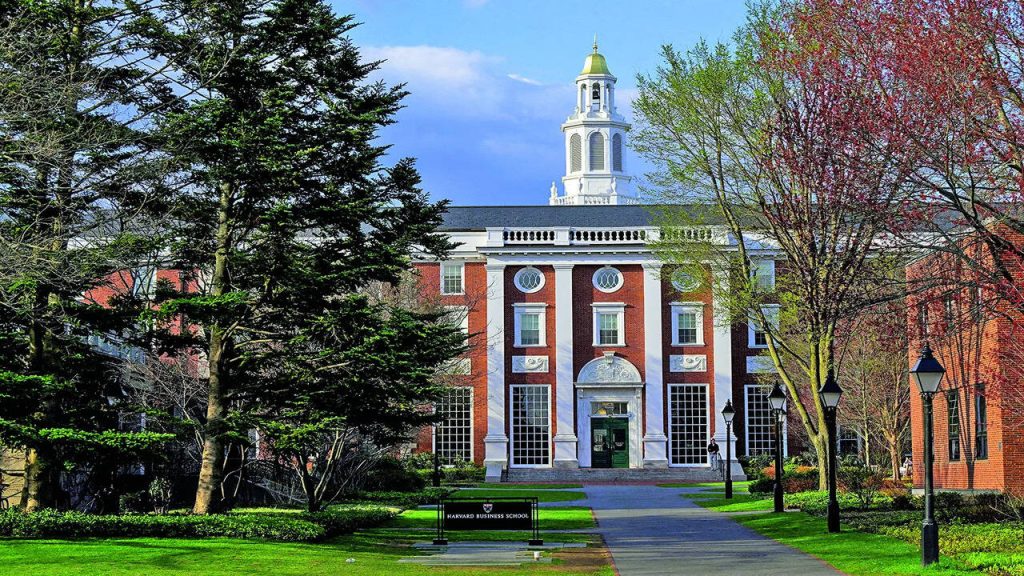
Harvard University: A Simple Guide for Students Thinking of Applying
Harvard is one of the most famous universities in the world. Most people know its name, but few actually know how admissions works, what it really costs, or what life is like once you get in. This guide explains all of that in simple terms, with a focus on what matters most if you are applying from Kenya.
What Is Harvard?
Harvard is a private university in Cambridge, Massachusetts, in the United States. It was founded in 1636, making it the oldest university in the country. It is part of the Ivy League, a group of well known universities in the northeastern United States.
Harvard has around 21,000 students in total. Most of these are graduate students studying law, medicine, business, and other advanced fields. The undergraduate program, called Harvard College, is much smaller and more close knit.
How Much Does Harvard Actually Cost?
The full price of attending Harvard for one year, including tuition, housing, and food, is very high. It often adds up to more than $80,000 a year. This number alone stops many strong students from even applying. That is a mistake, and here is why.
Harvard gives financial aid based on what your family can actually afford, not the full sticker price. Many families with lower incomes pay little or nothing at all toward tuition, housing, or food. This aid mostly comes as grants, which means money you never have to pay back.
Harvard is also need blind for every applicant, including international students. This means your ability to pay has no effect on whether you get admitted. Your grades, essays, and activities are what matter, not your family’s income.
How Does Admissions Work?
Harvard does not publish a required minimum grade or test score. Instead, admissions officers read every application carefully and judge it in context. A student who took the hardest classes their school offered is judged fairly, even if that school only offered a few advanced classes.
Harvard looks at four main things when reviewing your application. These are your academic strength, your activities outside class, your personal qualities, and in some cases athletic ability. No single part decides everything on its own. A strong personal essay can make up for a less impressive transcript, and the other way around too.
Two ways to apply:
Restrictive Early Action is an early deadline, usually November 1. It shows Harvard is your top choice, though it is not binding, meaning you are not required to attend if accepted.
Regular Decision is the standard deadline, usually January 1, open to everyone.
Both paths use the Common Application or the Coalition Application.
What tends to help an application stand out:
Depth in a few activities beats a long list of things you barely did. Essays that show how you think, not just a list of your achievements. Recommendation letters from teachers who genuinely know you well. A clear, honest reason for wanting Harvard specifically, not just its name.
What Will You Study?
Harvard College students do not need to choose their major, called a concentration, until partway through their second year. This gives you real time to explore different subjects before deciding.
The curriculum leans toward a broad education. Even science and engineering students take classes in humanities and social science, and the other way around too. Class sizes vary a lot. Introductory classes can be large, but upper level classes are often small, sometimes just a dozen students with a professor who knows their names well.
What Is Campus Life Like?
Harvard uses something called the house system. After your first year, you are placed into one of twelve residential houses. Each one has its own dining hall and its own traditions. Much of student social life happens within these houses rather than across the whole university.
There are hundreds of clubs to join, a well known student newspaper, and strong sports teams competing in the Ivy League. Winters in Cambridge get genuinely cold, which is a real adjustment if you are coming from a warmer climate.
What Happens After Graduation?
Harvard’s name carries real weight when it comes to hiring, especially in consulting, finance, law, medicine, and technology. Many major companies actively recruit directly from Harvard.
That said, the degree alone is not everything. What you build while you are there, through internships, research, and real skills, matters just as much for your career as the name on your diploma.
Advice for Kenyan Students
If you are applying from Kenya, a few things are worth knowing.
You will likely need to show English proficiency unless your previous schooling was mostly in English. Always check Harvard’s current requirements directly, since these can change.
Your KCSE results are evaluated fairly, in the context of what your specific school offered, not compared directly against a different grading scale.
Financial aid genuinely applies to you as an international student. Do not rule yourself out because of the sticker price before checking what aid you could actually receive.
Strong recommendation letters matter a lot. Start those conversations with your teachers early, well before application season gets busy.
Conclusion
Harvard combines a world famous name with real financial support for students who need it. It is genuinely hard to get into, and once you are there, the workload is demanding. But if you are a strong, curious student and cost has been holding you back from even trying, it is worth applying. Focus on writing an honest, well prepared application, and let the admissions and financial aid process do the rest.
Check or Visit the school official website: Harvard College Admissions
Leave a Reply