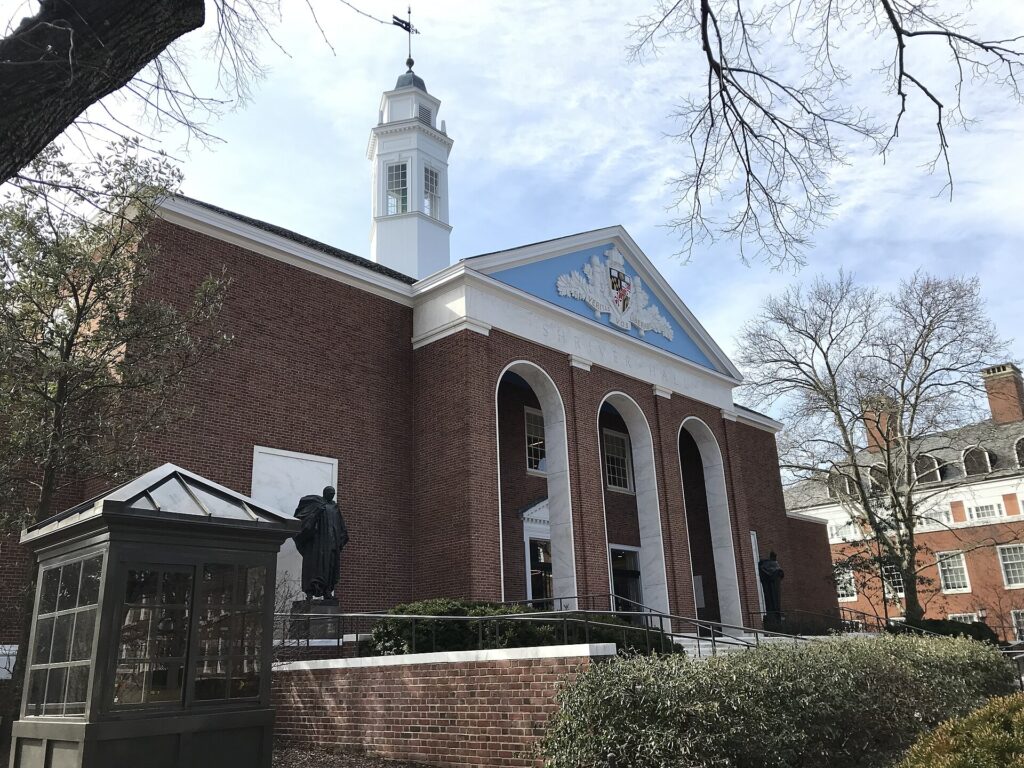
On November 13, 2025, Johns Hopkins announced that it would become tuition-free for undergraduates from families earning up to $200,000 a year. The university says this covers students from more than 85 percent of American households, based on US Census data. For families earning up to $100,000, aid goes further and also covers fees, housing, dining and most personal expenses. This guide explains the Johns Hopkins Tuition Promise: who qualifies, what each income level pays and how to apply.
For key facts about the university, see our Johns Hopkins University profile.
What is the Johns Hopkins Tuition Promise?
It is the name Johns Hopkins gives to its expanded undergraduate aid. The university’s Student Financial Support office says the policy takes full effect for the 2026-27 academic year. Current students who qualified received a one-time aid adjustment in spring 2026. Hopkins listed tuition at about $66,000 in the year before the change, so a tuition-free offer is worth a lot to a qualifying family.
Who is eligible?
- Undergraduates in the Krieger School of Arts and Sciences and the Whiting School of Engineering, if family income falls within the ranges below.
- Domestic transfer students.
- International students, if they applied for aid and received it at admission.
- Peabody Dual Degree students. Undergraduates at the Peabody Conservatory are not covered by the Tuition Promise.
In a five-year BA/MA, the policy covers only the undergraduate portion. Graduate years follow graduate aid policies.
What does each income level get?
| Family income | Parent cost | What is covered |
|---|---|---|
| Up to $100,000 | $0 | Tuition, fees, housing, dining and most personal expenses |
| $100,001 to $200,000 | Varies | Full tuition. Housing, dining and personal costs remain, and some families receive extra support |
| Above $200,000 | Worked out from your application | Need-based scholarships cover the gap between your expected contribution and the cost of attendance |
What do families typically pay?
Hopkins publishes typical annual figures for 2026-27. They are rounded, and the bands as published overlap at the edges, so use them as a guide and not as a quote.
| Family income | Typical scholarship | Student contribution | Parent cost |
|---|---|---|---|
| Up to $100,000 | $91,000 | $0 | $0 |
| $100,000 to $125,000 | $75,000 | $1,800 | $13,000 |
| $125,000 to $150,000 | $68,000 | $1,800 | $19,000 |
| $150,000 to $200,000 | $65,000 | $1,800 | $22,000 |
| $200,000 to $250,000 | $45,000 | $1,800 | $43,000 |
| $250,000 to $300,000 | $33,000 | $1,800 | $54,000 |
| $300,000 to $350,000 | $28,000 | $1,800 | $61,000 |
| Above $350,000 | $21,000 | $1,800 | $66,000 |
Hopkins says families earning up to $250,000 are likely to qualify for significant aid, and that families above that line may still qualify, especially when more than one child is in college.
How does Hopkins count income and assets?
- The income tiers are guidelines, not hard cutoffs. Aid changes gradually at the boundaries.
- Income includes adjusted gross income and some other items, such as untaxed income and Social Security benefits.
- The tiers assume typical assets, generally less than three times annual income. Assets at or above that level can change your offer.
- Home equity in your main residence and retirement accounts are not counted.
- If parents are divorced, both parents’ incomes are used.
What if you are an international applicant?
International students are eligible if they applied for aid and received it when they were admitted. That makes the aid application part of the admission process, not an afterthought. Hopkins also says international students apply for aid once, in their first year, and that aid is then guaranteed at the same level for all four years. Read our guide to need-blind vs need-aware admission to see why timing matters.
How do you apply for aid?
- Submit the CSS Profile. Every student does this, and the Hopkins school code is 5332.
- US citizens and eligible non-citizens also submit the FAFSA, using school code E00473.
- Upload any tax documents Hopkins asks for through its document portal.
- Domestic students reapply every year. International students apply once in the first year.
What else should you know?
- No loans are expected. Hopkins Scholarships do not need to be repaid.
- Up to $5,300 in outside scholarships is generally allowed without reducing your Hopkins Scholarship. Amounts above that reduce it dollar for dollar.
- The promise covers fall and spring semesters, including study abroad in those terms. Summer and intersession funding is limited and prioritised by need.
- You still budget for books, supplies and other daily costs. Hopkins estimates about $1,800 for first-year students and $2,600 a year for returning students.
Frequently asked questions
Is Johns Hopkins free for families earning under $200,000?
Tuition is free for undergraduates from families earning up to $200,000. Housing, dining and personal costs still apply above $100,000, although some families receive extra support.
What do families earning up to $100,000 pay?
Hopkins says these families have a $0 parent contribution. Aid covers tuition, fees, housing, dining and most personal expenses.
Do international students qualify for the Tuition Promise?
Yes, if they applied for aid and received it at admission.
Does the Tuition Promise include Peabody Conservatory students?
No. Peabody Conservatory undergraduates are not covered, but Peabody Dual Degree students are.
Does Hopkins expect students to take out loans?
No. Hopkins says no loans are expected, and its scholarships do not need to be repaid.
Costs and aid rules change every year. Always confirm the current figures on the official Johns Hopkins website.
Sources: Johns Hopkins Student Financial Support, Tuition Promise, Johns Hopkins Hub, tuition-free announcement and The Johns Hopkins News-Letter.